Move Over Organic Cotton: Meet the New Vegan Materials
Twenty years ago, I launched My Signature Look, a personal shopping service specializing in sustainable fashion in Washington, DC. I was on a mission to educate consumers on the slow fashion movement one garment at a time. The shortlist of materials headlining the eco-fashion runways included predominantly organic cotton and bamboo with hemp and Tencel closely behind. I introduced consumers to local designers who sourced their materials in the U.S., which was a miracle to find, and did all their own designing and sewing or kept low-volume production with the help of small U.S.-based factories.
A few decades later, and Lady Gaga’s famous meat dress in between, innovative materials are pushing the boundaries with vegan, plant-based alternatives exercising their fashionable moment. For example, fruit waste (e.g., apple or pineapple) and mushroom fibers offer unique textures and structure for a leather or fabric alternative. Most importantly, these alternatives (and low impact dyes) rely on less amount of water during production and /or contribute to water pollution. Their low environmental impact is also proven by their higher rate of biodegradability.
Innovative Fruit‑Waste Materials
Piñatex (Pineapple Leather) Made from the long, resilient fibers of pineapple leaves—an agricultural byproduct typically discarded—Piñatex offers a durable, leather‑like alternative perfect for handbags, footwear, and outerwear. By upcycling farm waste, it reduces both environmental impact and reliance on animal leather.
Mango Leather Created from repurposed mango peels rich in natural cellulose and pectin, mango leather delivers a soft, flexible, and eco‑friendly substitute for traditional hides. Its smooth texture makes it especially popular for crafting wallets, bags, and other accessories.
Orange Fiber Produced from the byproducts of the citrus juice industry, orange fiber transforms discarded peels into a silky, lightweight textile. Commonly blended with natural fibers like cotton or silk, it’s used to make soft, breathable garments with a luxurious feel.
Banana Fiber Sourced from banana plant stems—materials normally considered agricultural waste—banana fiber is strong, durable, and ideal for applications like denim. Its natural sturdiness offers an earthy, sustainable option for brands seeking lower-impact textiles.
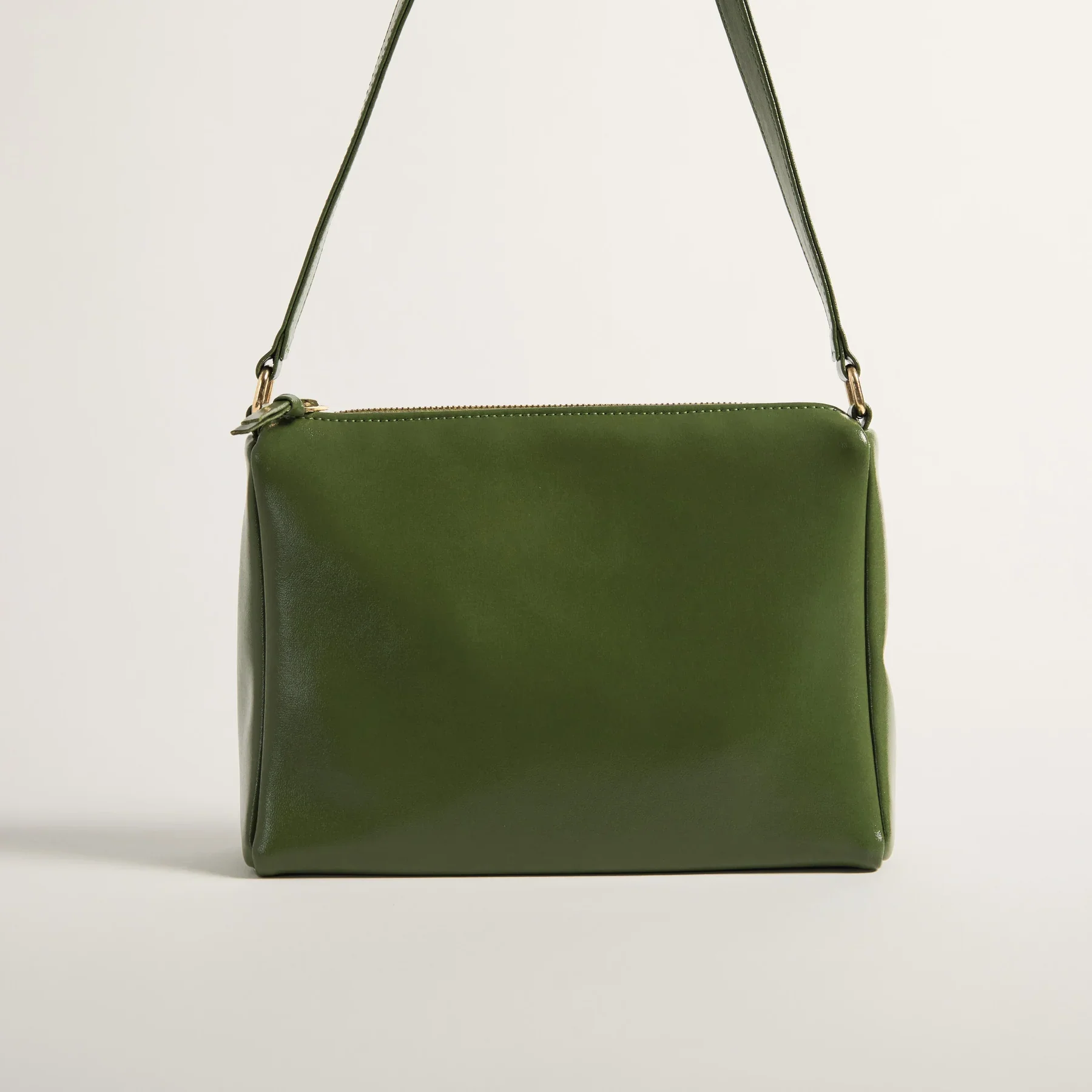
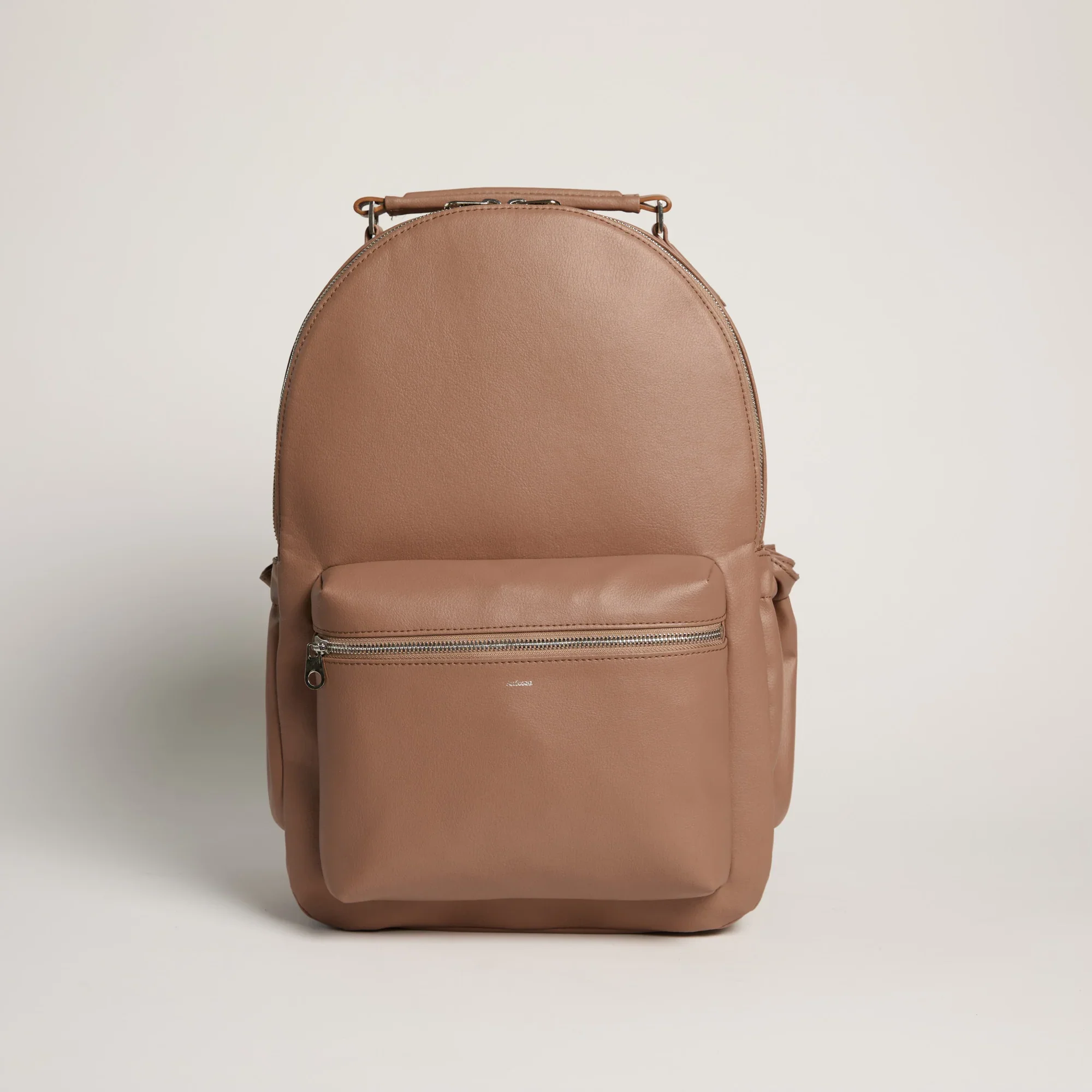
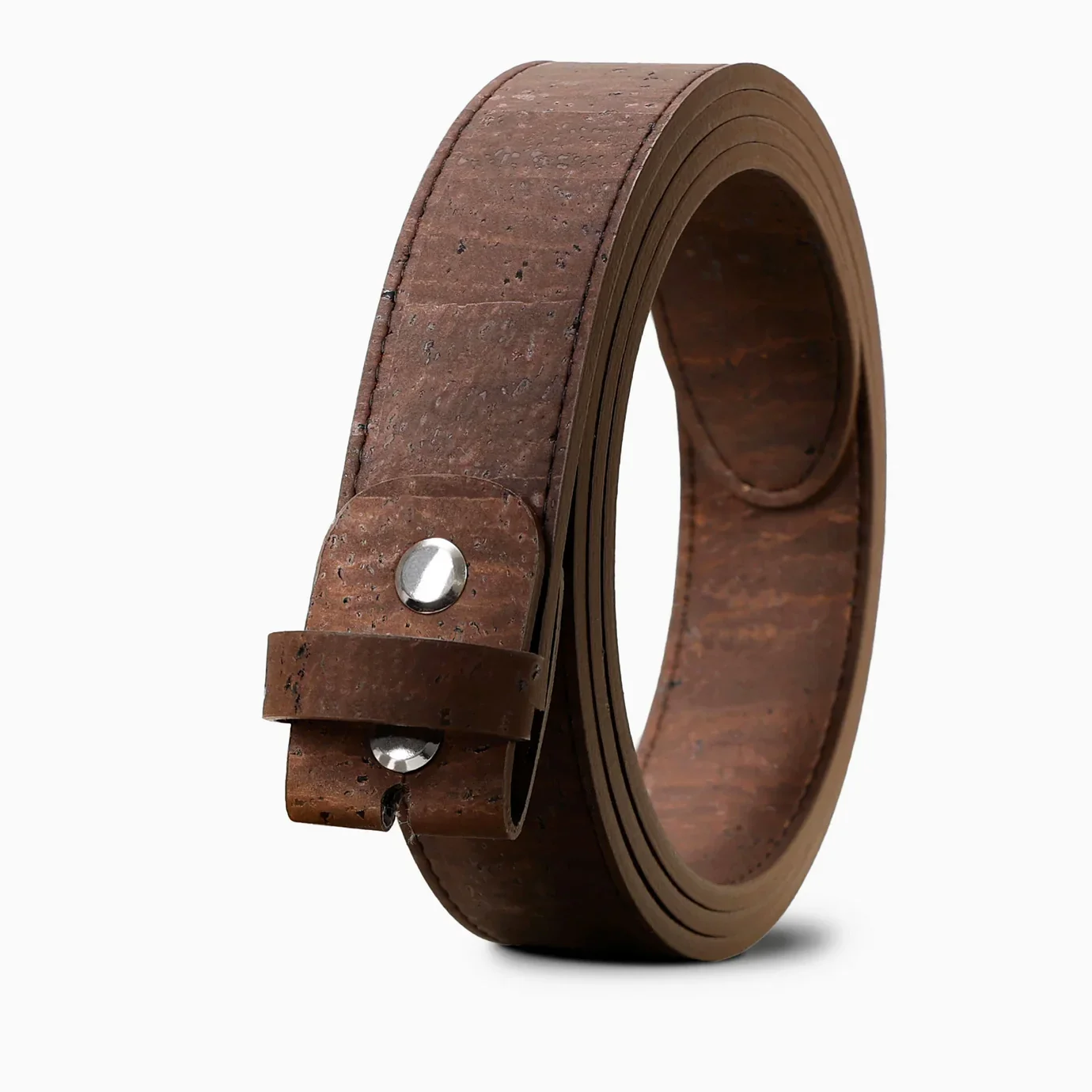
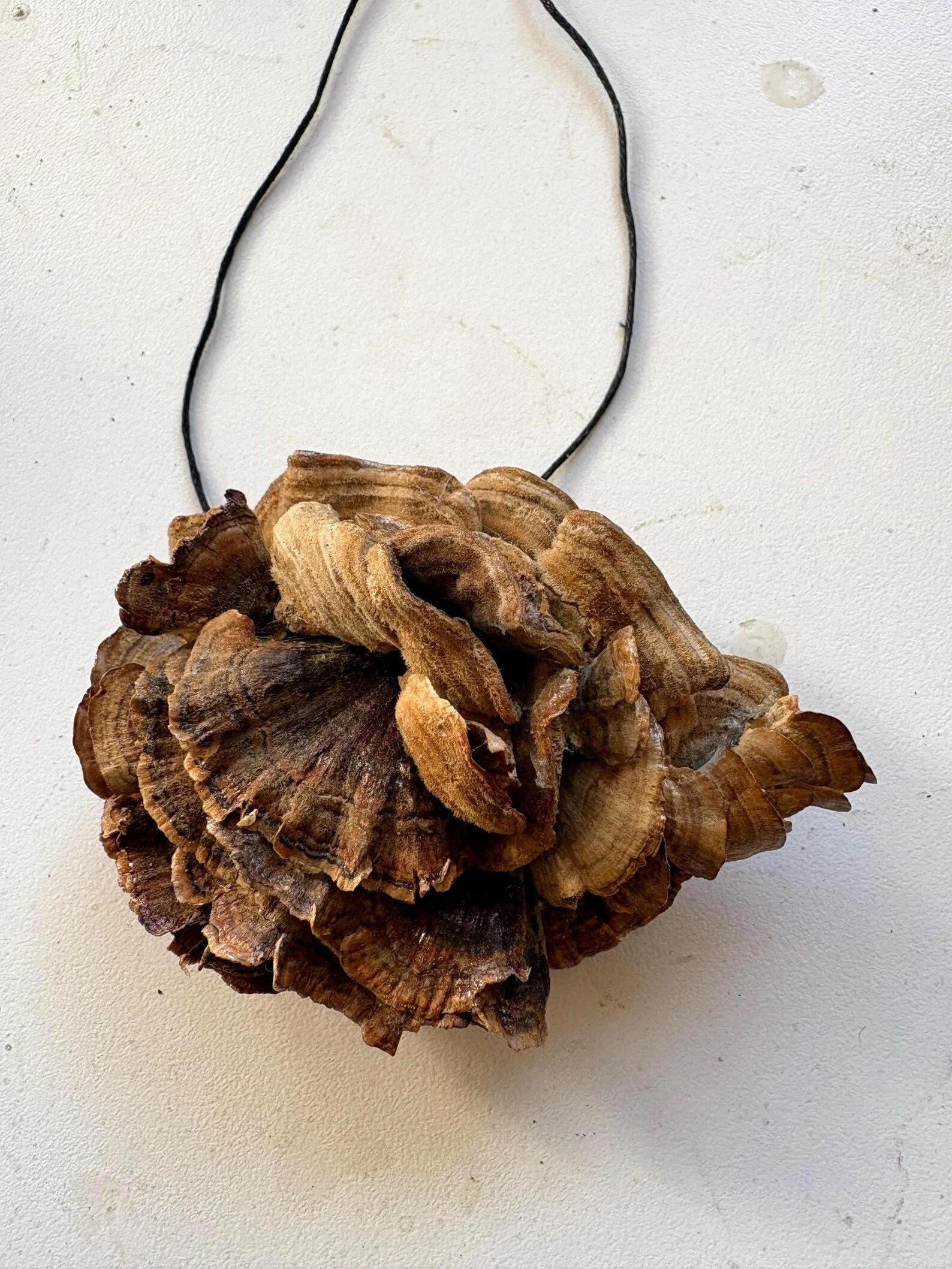
For our eco-fashionistas out there, style is style. I admit my personal shopping clients did not always seek me out for my educational commitment, that was more of a bonus or a plus. Their primary motive? To look and feel great. How do plant-based alternative fashions stack up? Getting there. Green Trotter picks up where I left with My Signature Look. As in previous blogs, I search the Web (AI could probably do it faster but I like to think I have a more sophisticated fashion eye) and identify a few options worth your consideration. It is worth noting that while materials have been in production for a while, turning them into a full collection remain at tortoise pace. UK-brand Huit Denim Co incorporates banana stems into their organic denim jeans. Mylo, a faux leather made from mycelium (fungi) by Bolt Threads is being used in footwear brand, adidas. Where they are proving commercial success are in the accessories department. Here are a few plant-based accessories that might find their way into your wardrobe.
Accessories
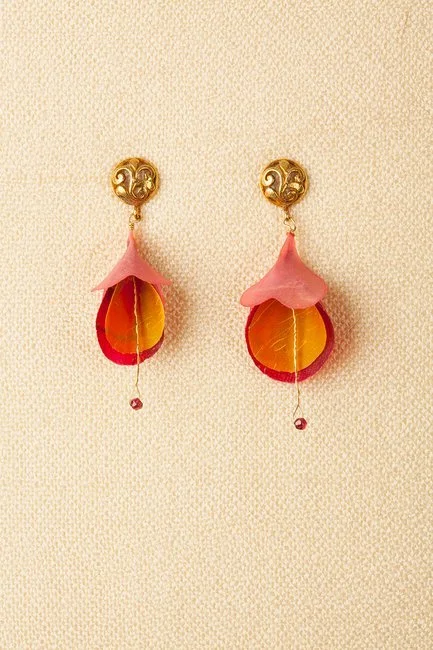
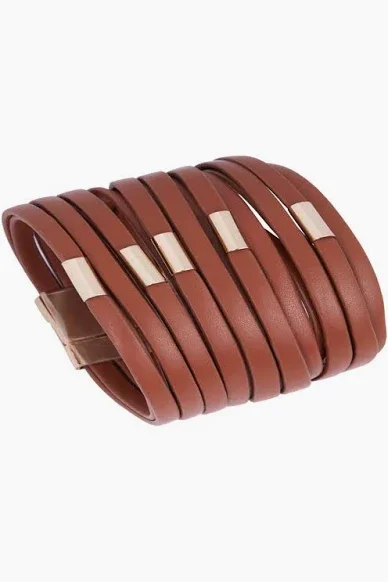
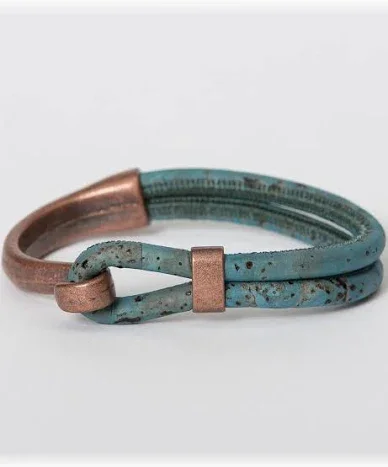
As new material innovations emerge, it’s essential for consumers to champion designers committed to slow fashion—those who dare to rethink waste, redefine beauty, and lead the movement toward a truly sustainable future.